If you are tired of relying on coffee and energy drinks to get through the day, you are not alone. Millions of men are searching for cleaner, healthier ways to maintain high energy levels without the jitters, crashes, and dependency that come with caffeine.
If your current routine depends on repeated caffeine spikes, this article gives you practical steps for steadier energy through the day.
Why this guide works
It combines habit-level changes with a simple product progression so you can move from random energy management to consistent planning.
- State route: buy royal honey in California
- Related read: what is royal honey
1. Sleep: The Energy Habit Nothing Else Replaces
Most adults need at least seven hours of sleep a night, and no drink makes up for missing it. Go to bed and get up at about the same time every day, keep screens out of the last half hour, and keep the bedroom dark and cool. MedlinePlus has practical tips for healthy sleep.
2. Water: Mild Dehydration Feels Like Tiredness
Even mild dehydration can make you feel sluggish and foggy. Start the day with a glass of water, keep a bottle within reach, and drink more on hot days and after exercise. If your urine is dark, you probably need more.

3. Food: Steady Meals Instead of Sugar Spikes
Big sugar hits give fast energy and a fast drop. Meals that mix carbohydrates with protein, fiber and some fat release energy more slowly: oats with fruit and nuts, eggs on whole-grain toast, rice with beans and vegetables. Skipping breakfast or lunch and then grabbing something sweet is one of the most common reasons for a mid-afternoon slump.
4. Movement and Daylight
A brisk ten-minute walk, ideally outside in daylight, often lifts energy more than another coffee. Regular exercise improves sleep, and morning light helps keep your body clock on time. If you sit all day, stand up and move for a few minutes every hour.
5. A Honey-Based Pick-Me-Up, Used Wisely
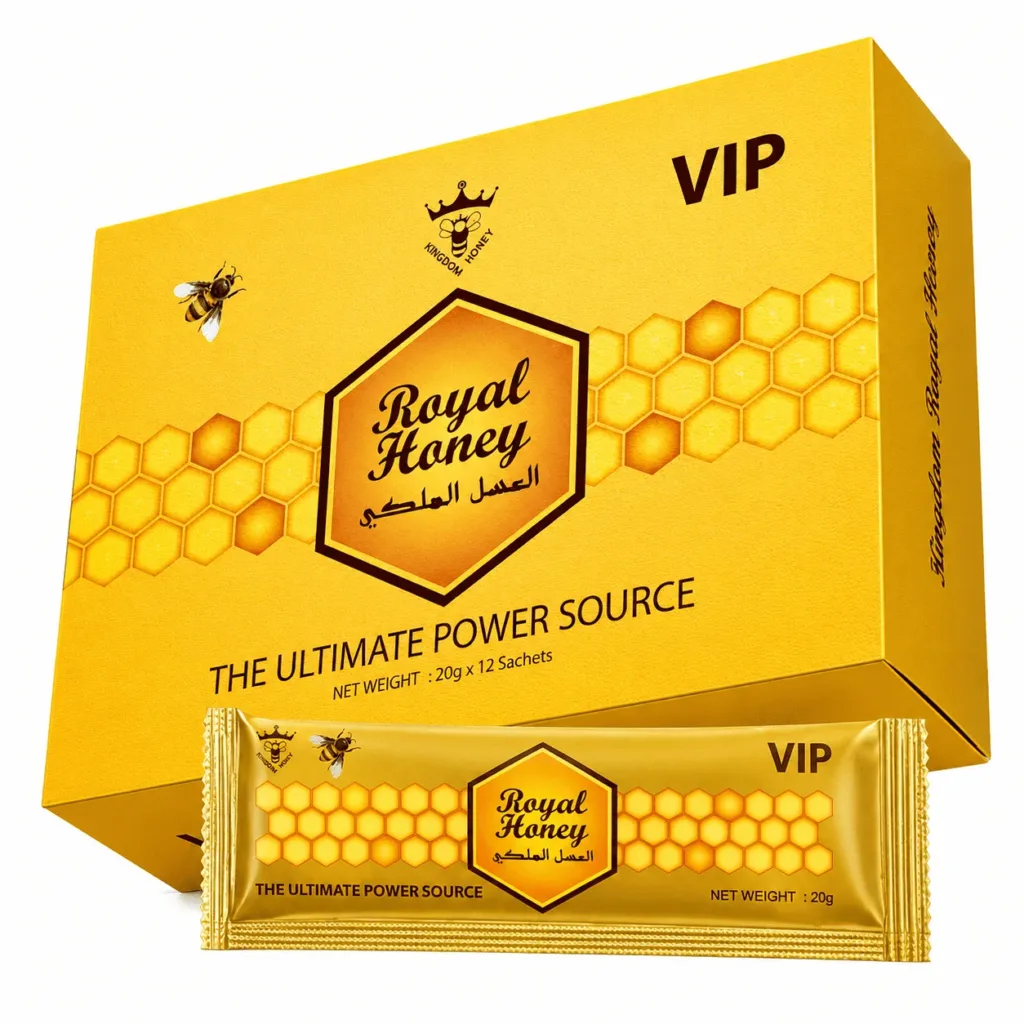
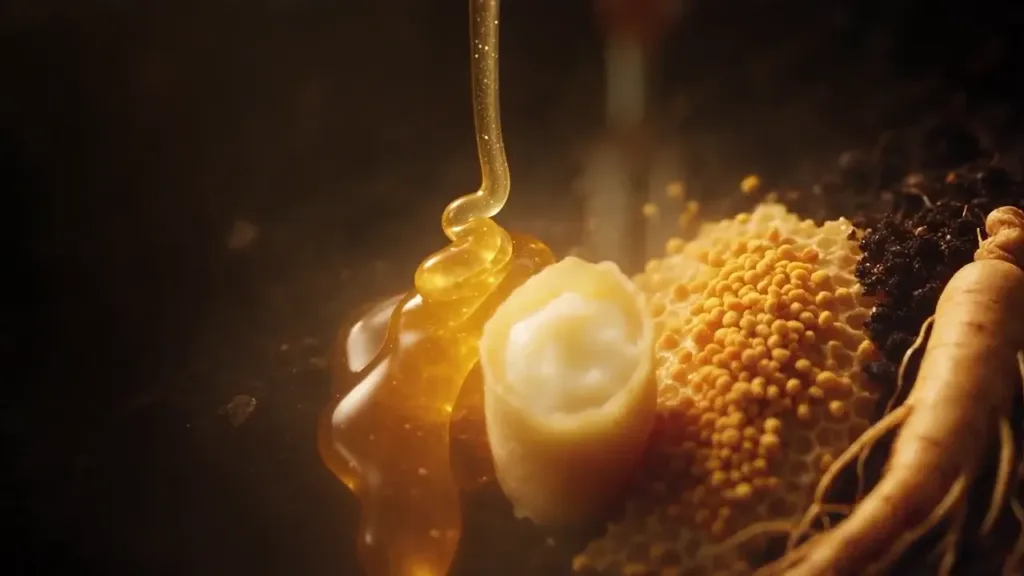
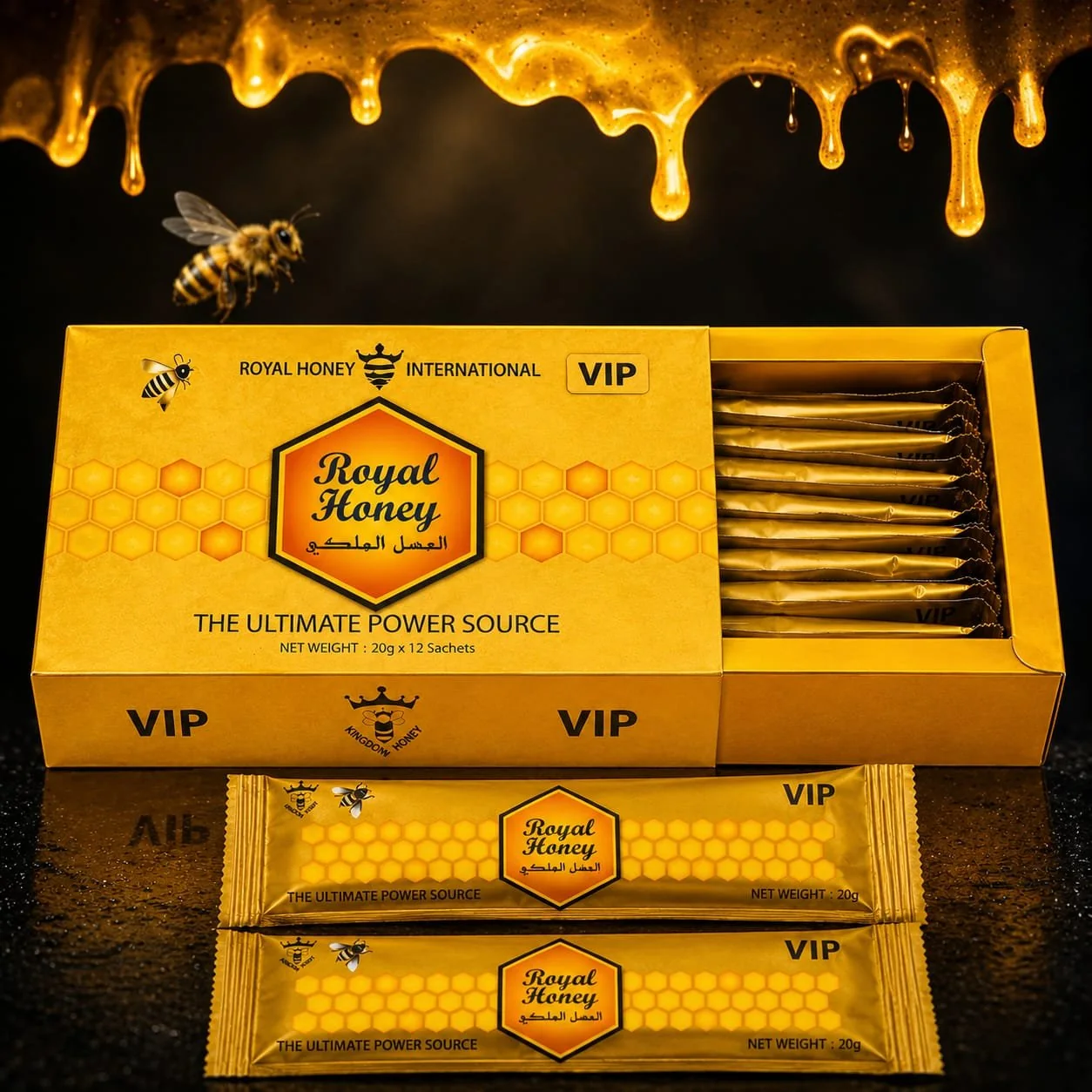
Honey is a natural source of carbohydrates, the fuel your body uses for quick energy. A honey pack such as Royal Honey VIP blends honey with royal jelly, bee pollen and ginseng in a single-serve packet. It is a food, not a medicine, and it is no substitute for sleep or meals. Take one packet at most in 24 hours, never together with energy drinks or alcohol, and skip it if you are allergic to bee products or have diabetes without your doctor’s OK.
Why Caffeine Crashes Happen
Caffeine blocks the signals that make you feel tired; it does not remove the tiredness. When it wears off, the tiredness comes back, often with a dip, and many energy drinks add a large dose of sugar on top. The FDA says up to about 400 mg of caffeine a day is generally not linked with harmful effects for most healthy adults, but people differ; read how much caffeine is too much. Cutting back slowly helps avoid headaches.
Putting It Together: A Simple Day
- Morning: a glass of water, ten minutes of daylight and a breakfast with some protein.
- Midday: a balanced lunch and a short walk.
- Afternoon: water and a light snack instead of a second energy drink.
- Evening: a light dinner, screens off before bed and the same bedtime as yesterday.
When Tiredness Is a Reason to See a Doctor
If you are tired most days for weeks even with enough sleep, see a doctor. Low iron, thyroid problems, sleep apnea, depression, diabetes and some medicines can all cause ongoing fatigue, and they are treatable once found. Snoring with daytime sleepiness is worth mentioning in particular.
What Drains Energy From Your Body?
For most healthy adults, tiredness comes from daily habits, not illness: MedlinePlus notes that fatigue is usually not due to a serious disease and is often a normal response to stress, boredom, physical work or too little sleep. The usual drains:
- Irregular sleep: a late Friday night and an early Monday alarm leave your body clock guessing all week.
- Late caffeine: an afternoon coffee or energy drink can keep you from sleeping deeply, which makes the next day harder.
- Alcohol in the evening: it can make you drowsy, but it does not give you restful sleep.
- Skipped meals, then sugar: a long gap followed by something sweet gives a short lift and a steeper drop.
- Nicotine: MedlinePlus lists avoiding it among its tips for less fatigue.
What is the #1 trigger of daytime fatigue?
For most people, it is simply not enough good sleep. Short nights add up: one hour less each night for a week is close to a full night lost. Quality counts too: loud snoring or waking unrefreshed after seven hours in bed means the sleep itself is not doing its job.
Why Do You Crash in the Afternoon?
Many people hit a wall between 1 and 4 p.m. Part of it is the body’s daily rhythm, which brings a natural dip in alertness after midday. The rest usually comes from earlier in the day: a short night, a missed breakfast, a heavy or sugary lunch and hours in the same chair. You cannot change the rhythm, but you can change the rest.
What deficiency causes afternoon fatigue?
Low iron is a common one: MedlinePlus lists both iron deficiency anemia and low iron without anemia among the causes of fatigue. Low vitamin B12 and a thyroid that is not working properly can also leave you tired. A real deficiency usually makes you tired for most of the day, not only after lunch, and only a blood test can show which one it is. Do not start iron or other supplements on a guess; ask your provider first.
How to beat the afternoon slump
- Eat a lighter lunch with protein: a plate of chicken or beans with vegetables sits better than a big bowl of pasta or fries.
- Walk for ten minutes after eating: outside if you can, so you get daylight at the same time.
- Keep naps short and early: about 20 minutes early in the afternoon is plenty; long or late naps make it harder to fall asleep at night.
- Set a caffeine cut-off: no caffeine after early afternoon, so it does not eat into the night’s sleep.
What Gives You Energy Immediately When You Are Tired?
Nothing natural works like flipping a switch, but these steps help most people feel more awake in the short term, especially when you stack them:
- Move: climb a few flights of stairs or walk briskly for five to ten minutes.
- Find daylight: step outside or sit by a bright window.
- Drink a glass of cold water: mild dehydration can feel a lot like tiredness.
- Eat something small and balanced: an apple with peanut butter, or a boiled egg with a slice of toast.
What backfires is a big sugary snack on its own or another energy drink late in the day. MedlinePlus is plain about it: stimulants, caffeine included, are not an effective treatment for fatigue and can make it worse when they are stopped.
What Are 5 Foods That Fight Fatigue?
No single food fixes tiredness, but these five help keep energy steady because they digest slowly or bring protein, fiber or iron:
| Food | Why it helps steady energy | Easy way to eat it |
|---|---|---|
| Oats | Slow-digesting carbohydrates and fiber | Oatmeal with fruit and a few nuts |
| Eggs | Protein that keeps you full for longer | Boiled eggs for breakfast or as a snack |
| Beans and lentils | Fiber, protein and iron in one food | Bean chili, lentil soup or a bean salad |
| Nuts and seeds | Healthy fats and protein that digest slowly | A small handful with an apple |
| Plain Greek yogurt | Protein with a little natural carbohydrate | With berries and a small drizzle of honey |
Where does honey fit?
Honey is mostly natural sugars, so it gives quick fuel rather than lasting energy. It works best stirred into oats or yogurt as part of a meal. Honey also counts as added sugar: CDC guidance on added sugars includes sugars from honey and suggests adults keep added sugars to no more than 10 grams per meal, so a teaspoon is plenty. A honey pack is the same story: a sweet food for now and then, not a daily fuel. See what a honey pack is.
Caffeine vs Ginseng vs Honey: What Is the Strongest Natural Energy Booster?
The honest answer is sleep; everything below works better on top of it than instead of it. Of the things people reach for during the day, these three come up most, and they work very differently:
| Caffeine | Ginseng | Honey | |
|---|---|---|---|
| How it works | A stimulant that blocks tiredness signals for a few hours | A plant root; not well understood, studied as a daily supplement | A food, mostly sugars, that gives quick fuel |
| How fast | Usually felt within an hour | No reliable timeline | Fast, but the lift is short |
| Strength of evidence | Strong for short-term alertness | Limited and mixed | Well understood: it is sugar |
| Watch out for | Poor sleep, jitters and a dip when it wears off | Trouble sleeping; may lower blood sugar and interact with medicines | Counts as added sugar; never give honey to babies under 1 year |
Is ginseng better than caffeine?
They are not really rivals. Caffeine reliably makes most people more alert for a few hours, then wears off. Ginseng’s record is weaker. According to the National Center for Complementary and Integrative Health (NCCIH), a 2023 review of 19 studies suggested Asian ginseng may have a small benefit for general fatigue, but not all research agrees, and most ginseng trials have been small and shorter than three months. NCCIH adds that short-term use appears to be safe for most people, that trouble sleeping is its most common side effect, and that ginseng may lower blood sugar and interact with some medicines. If you take any medicine, have diabetes or are pregnant, ask your doctor first.
How long does it take for ginseng to give you energy?
There is no reliable answer. Ginseng contains no caffeine and does not work the way caffeine does, and the research looked at regular use, not at what happens after a single dose. Anyone who promises a set number of minutes or days is guessing.
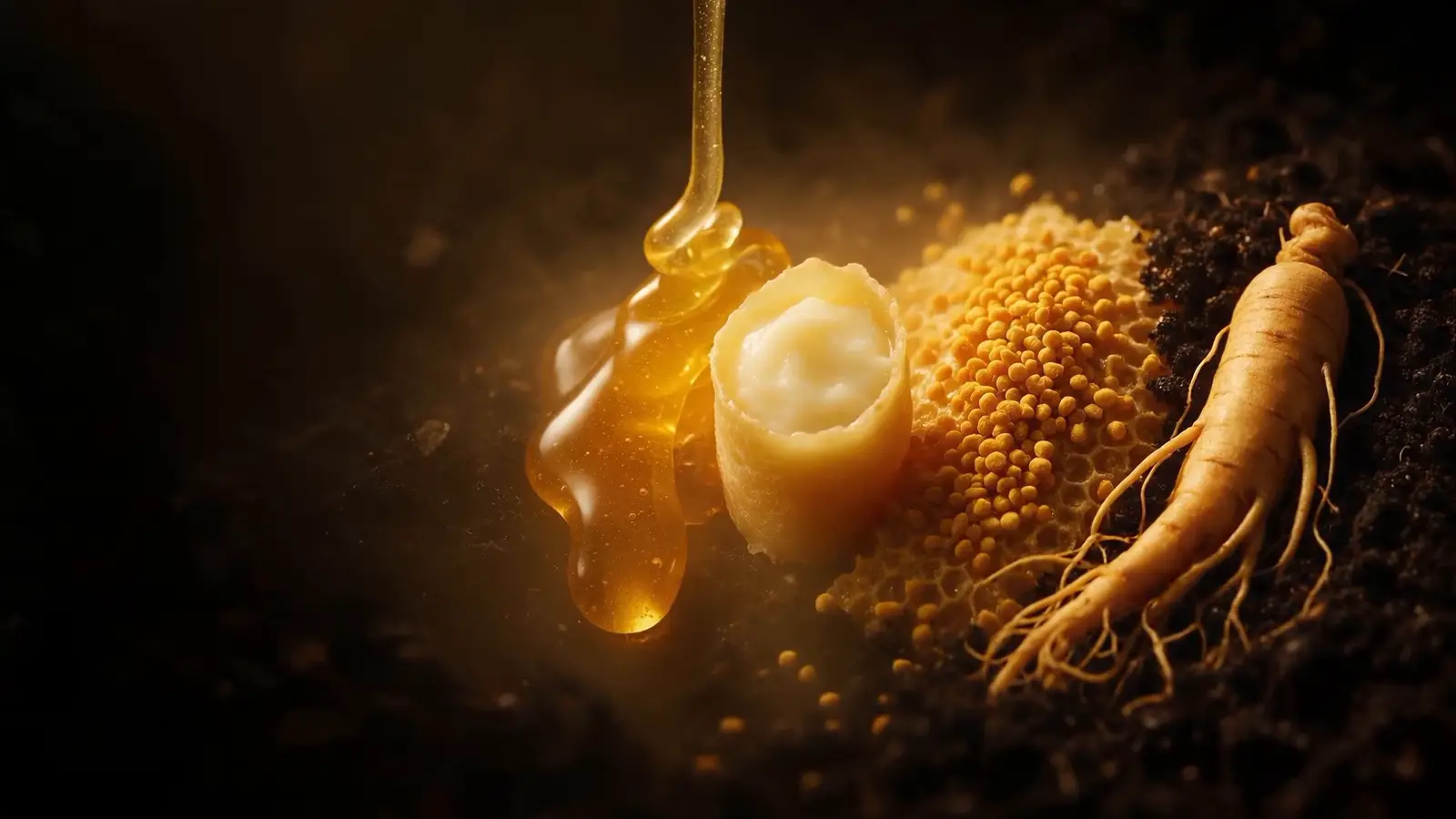
A food with ginseng among other ingredients is also not the same as the measured extracts used in studies. Royal Honey VIP blends honey with royal jelly, bee pollen and ginseng, but it is a food, not a medicine, and nobody can honestly promise a set effect from it. If you are allergic to bees or pollen or have diabetes, read about honey pack side effects first.
Is There Any Energy Drink That’s Not Bad for You?
No energy drink is a health drink, but an occasional can is fine for most healthy adults. The trouble starts when cans become the daily plan. If you drink them:
- Count the caffeine: it varies a lot from can to can. Add your coffee and tea and stay within the roughly 400 mg a day mentioned above.
- Read the sugar line: many regular cans hold far more than the 10 grams of added sugar per meal that CDC suggests. Zero-sugar versions still have the caffeine.
- Never mix with alcohol: caffeine can mask how drunk you feel without making you any less drunk.
- Know who should skip them: children and teens, and anyone who is pregnant or has heart problems or high blood pressure unless a doctor says otherwise.
For what is in a typical can and how a honey pack differs, see Royal Honey VIP vs energy drinks.
How Do I Get My Energy Back? A 7-Day Reset Plan
Natural ways to boost energy work best when you add them one at a time, so each change has a chance to stick. Try this plan for one week:
- Day 1: Pick one wake-up time for the whole week, weekend included. Start an energy diary: sleep, caffeine, meals, and how alert you feel at 10 a.m. and 3 p.m. on a scale of 1 to 5.
- Day 2: Drink a glass of water when you wake up and eat a breakfast with protein.
- Day 3: Set an early-afternoon caffeine cut-off and drop one cup or can from your usual day.
- Day 4: Add a ten-minute walk after lunch, in daylight if you can.
- Day 5: Move screens out of the bedroom and finish your last big meal two to three hours before bed.
- Day 6: Swap the afternoon sugar hit for a planned snack, and keep the evening alcohol-free.
- Day 7: Read your diary, find what your best days had in common and carry it into next week.
Still tired most days after a few weeks? Take the diary to your doctor.
What Diseases Cause Afternoon Fatigue?
When tiredness does not improve with rest, good food and less stress, MedlinePlus says a health care provider should check it, especially if you feel low most of the day, most days, for weeks. The causes MedlinePlus lists include:
- Anemia and low iron
- A thyroid that is underactive or overactive
- Sleep disorders such as insomnia and obstructive sleep apnea
- Depression, grief and long-term pain
- Diabetes, and heart, kidney or liver disease
- Infections that are slow to clear
- Some medicines, including allergy pills, blood pressure medicines, sleeping pills and steroids
At a regular visit, expect questions about sleep, mood and medicines, and blood tests for anemia, diabetes and thyroid, kidney or liver problems. Do not stop a prescribed medicine on your own because you think it makes you tired; ask the doctor who prescribed it.
Signs to call a doctor right away
Contact a provider right away if tiredness comes with confusion or dizziness, blurred vision, little or no urine, or new swelling and weight gain. If you have thoughts of harming yourself, call or text 988, the Suicide and Crisis Lifeline, day or night.
FAQ
What is the fastest natural way to boost energy?
A glass of water, a few minutes of brisk movement in daylight and a balanced snack work quickly for most people. For lasting energy, sleep is what matters most.
Can honey give you energy?
Yes. Honey is mostly natural sugars, which your body uses for quick energy. Like any sugar, the lift is short, so pair it with a proper meal.
How can I boost my energy without caffeine?
Sleep at regular times, drink enough water, eat meals that mix carbohydrates with protein, move a little every hour and get daylight early in the day.
Is royal honey better than coffee?
They are different things. Coffee works through caffeine; royal honey is a honey blend. Neither replaces sleep, and they should not be taken together with energy drinks.
At what age do you start feeling tired?
There is no set age. Adults of every age need about the same amount of sleep, seven to nine hours a night, according to the National Institute on Aging. What changes is the sleep itself: with age it tends to become shorter and lighter, with more waking at night, and sleep problems become more common. Being tired all the time is not just part of getting older; if it lasts for weeks, have it checked.
How do people with ADHD get energy without caffeine?
The same basics apply, and a little structure makes them easier to keep: fixed sleep and wake times, phone reminders for water and meals, a breakfast with protein, short movement breaks and daylight early in the day. Short timed work blocks can make the afternoon less draining. Everyone with ADHD is different, so talk with your own doctor about tiredness, and ask before adding caffeine, ginseng or any supplement if you take medicine for ADHD.
Is there a pill that will give me energy?
Not a safe one that replaces sleep, food and movement. Many pills sold for energy rely on caffeine or similar stimulants, which MedlinePlus says are not an effective treatment for fatigue. Vitamins and minerals tend to help only when you are actually low in them, which a blood test can show. If you are tired most days, see your doctor, and ask a doctor or pharmacist before taking any supplement with regular medicines.
More on Natural Energy
Compare your options in Royal Honey VIP vs energy drinks and see which pack fits your routine.
Quick Answers
What is the best way to start with Royal Honey VIP?
Start with a simple routine and match the format to your consistency goals. Beginners typically test first, then scale to larger packs for long-term value.
How should buyers choose the right format?
Choose by behavior: trial users use a single format, routine users use mid-size packs, and repeat users usually prefer value-focused larger bundles.
When should someone upgrade from starter options?
Upgrade when usage is stable for multiple weeks and reorder frequency increases. This usually improves convenience and value per serving.
Which option fits long-term consistency best?
Long-term users generally select larger bundles because they reduce reorders and support a predictable weekly routine.